The 85 Greatest Albums of the 1970s
The 1970s contribute 85 of the music canon's all-time entries, led by What's Going On (1971). Rankings aggregate 9 authoritative lists; every entry links to its full evidence.

1. What's Going On
What's Going On is the eleventh studio album by the American soul singer Marvin Gaye. It was released on May 21, 1971, by the Motown Records subsidiary label Tamla.

2. Songs in the Key of Life
Songs in the Key of Life is the eighteenth studio album by the American singer, songwriter and musician Stevie Wonder. A triple album, it was released on September 28, 1976, by Tamla Records, a division of Motown. The album is regarded as the culmination of Wonder's "classic period" of recording which began in 1972 with Music of My Mind.

3. Born to Run
Born to Run is the third studio album by the American singer-songwriter Bruce Springsteen, released on August 25, 1975, through Columbia Records. Co-produced by Springsteen with his manager Mike Appel and the producer Jon Landau, its recording took place in New York.

4. London Calling
London Calling is the third studio album by the English rock band the Clash. It was originally released as a double album in the United Kingdom on 14 December 1979 by CBS Records, and in the United States and Canada in January 1980 by Epic Records.
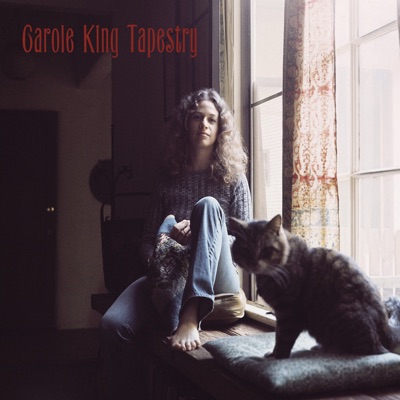
5. Tapestry
Tapestry is a form of woven textile art.

6. Innervisions
Innervisions is the sixteenth studio album by American singer, songwriter, and musician Stevie Wonder, released on August 3, 1973, by Tamla, a subsidiary of Motown Records.

7. Horses
Horses is the debut studio album by American musician Patti Smith, released on November 10, 1975 by Arista Records. Smith, supported by her regular backing band, recorded the album at Electric Lady Studios in September 1975, choosing former Velvet Underground member John Cale as the album's producer.

8. Rumours
Rumours is the eleventh studio album by the British and American rock band Fleetwood Mac, released on 4 February 1977, by Warner Bros. Records. Largely recorded in California in 1976, it was produced by the band with Ken Caillat and Richard Dashut.

9. Blue
Blue is a color.

10. The Dark Side of the Moon
The Dark Side of the Moon is the eighth studio album by the English progressive rock band Pink Floyd, released on 1 March 1973 by Capitol Records in the US, and on 16 March 1973 by Harvest Records in the UK.

11. Never Mind the Bollocks Here's the Sex Pistols
Never Mind the Bollocks, Here's the Sex Pistols (often shortened to Never Mind the Bollocks) is the only studio album by the English punk rock band the Sex Pistols. It was released on 28 October 1977 through Virgin Records. As a result of the Sex Pistols' volatile internal relationships, the band's lineup saw changes during the recording of the album.

12. Blood on the Tracks
Blood on the Tracks is the fifteenth studio album by American singer-songwriter Bob Dylan, released on January 20, 1975, by Columbia Records. The album marked Dylan's return to Columbia after two albums with Asylum Records. Dylan began recording the album at an A & R studio in New York City in September 1974.

13. Exile on Main Street
Exile on Main St. is the tenth studio album by the English rock band the Rolling Stones, released on 12 May 1972, by Rolling Stones Records. The 10th released in the UK and 12th in the US, it is viewed as a culmination of a string of the band's most critically successful albums, following Beggars Banquet (1968), Let It Bleed (1969) and Sticky Fingers (1971).
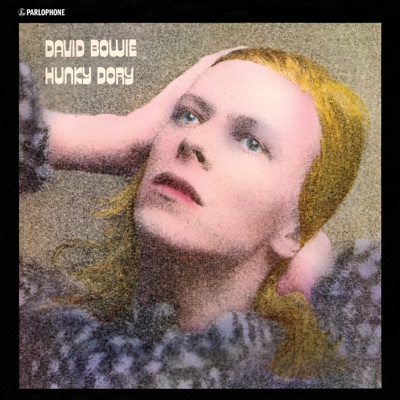
14. Hunky Dory
Hunky Dory is the fourth studio album by the English musician David Bowie, released in the United Kingdom on 17 December 1971 through RCA Records. Following a break from touring and recording, Bowie settled down to write new songs, composing on piano rather than guitar as in earlier works.
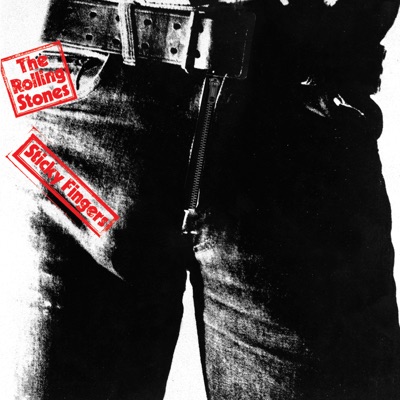
15. Sticky Fingers
Sticky Fingers is the ninth studio album by the English rock band the Rolling Stones. It was released on 23 April 1971 on the Rolling Stones' new label, Rolling Stones Records. The Rolling Stones had been contracted by Decca Records and London Records in the UK and the US since 1963.

16. Ramones
Ramones is the debut studio album by the American punk rock band Ramones, released on April 23, 1976, by Sire Records. After Hit Parader editor Lisa Robinson saw the band at a gig in New York City, she wrote several articles about the group and asked Danny Fields to be their manager.

17. Who's Next
Who's Next is the fifth studio album by the English rock band the Who, released on 2 August 1971, by Track Records in the United Kingdom and by Decca Records in the United States. It developed from the aborted Lifehouse project, a multi-media rock opera conceived by the group's guitarist Pete Townshend as a follow-up to the band's 1969 album Tommy.

18. The Rise and Fall of Ziggy Stardust and the Spiders From Mars
The Rise and Fall of Ziggy Stardust and the Spiders from Mars (often shortened to Ziggy Stardust) is the fifth studio album by the English musician David Bowie, released on 16 June 1972 in the United Kingdom through RCA Records.

19. After the Gold Rush
After the Gold Rush is the third studio album by the Canadian-American musician Neil Young, released in September 1970 on Reprise Records. It is one of four high-profile solo albums released by the members of folk rock group Crosby, Stills, Nash & Young in the wake of their chart-topping 1970 album Déjà Vu.

20. Off the Wall
Off the Wall is the fifth studio album by the American singer Michael Jackson, released on August 10, 1979, by Epic Records. It was Jackson's first album released through Epic Records, and the first produced by Quincy Jones, whom he previously collaborated with while working on the 1978 film The Wiz. Off the Wall was crafted from disco, pop, funk, R&B, soft rock and Broadway ballads.
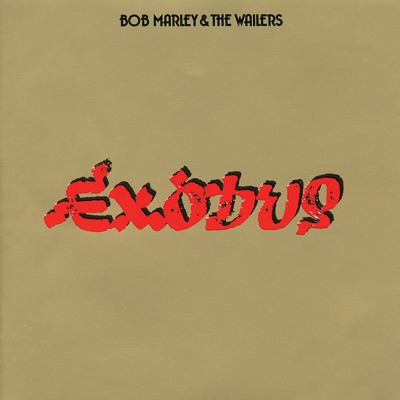
21. Exodus
Exodus or the Exodus may refer to…

22. Plastic Ono Band
Plastic Ono Band may refer to…
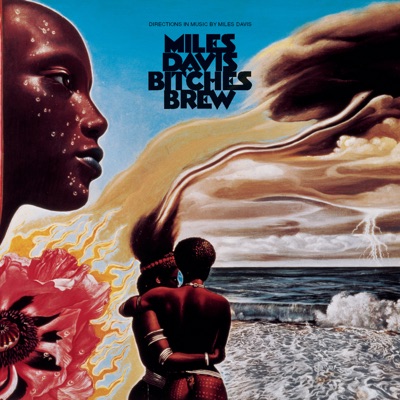
23. Bitches Brew
Bitches Brew is a studio album by the American jazz trumpeter, composer, and bandleader Miles Davis. It was recorded from August 19 to 21, 1969, at Columbia's Studio B in New York City and released on March 30, 1970, by Columbia Records.

24. Marquee Moon
Marquee Moon is the debut album by the American rock band Television, released on February 8, 1977, by Elektra Records. In the years leading up to the album, Television had become a prominent act in the New York music scene and generated interest from a number of record labels, eventually signing a record deal with Elektra.

25. Darkness on the Edge of Town
Darkness on the Edge of Town is the fourth studio album by the American singer-songwriter Bruce Springsteen, released on June 2, 1978, by Columbia Records. The album was recorded after a series of legal disputes between Springsteen and his former manager Mike Appel, during sessions in New York City with the E Street Band from June 1977 to March 1978.
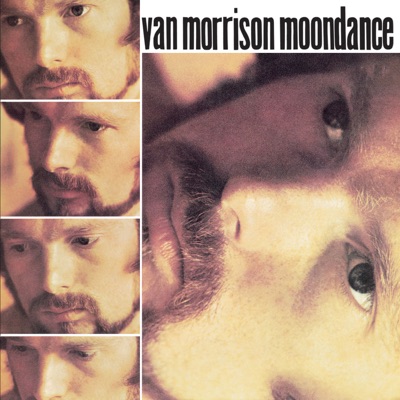
26. Moondance
Moondance is the third studio album by Northern Irish singer-songwriter Van Morrison. It was released on 27 January 1970 by Warner Bros. Records.

27. Harvest
Harvest is the process of gathering mature crops from the fields.

28. The Clash
The Clash is the debut studio album by the English punk rock band the Clash, released on 8 April 1977 through CBS Records. Recorded and mixed over three weeks in February 1977 for £4,000, it would go on to reach No. 12 on the UK charts, and has been included on many retrospective rankings as one of the greatest punk albums of all time.

29. Fun House
A funhouse is a type of amusement facility.

30. Parallel Lines
Parallel Lines is the third studio album by American rock band Blondie, released on September 8, 1978, by Chrysalis Records. An instant critical and commercial success, the album reached No. 1 on the UK Albums Chart in February 1979 and proved to be the band's commercial breakthrough in the United States, where it reached No.

31. Station to Station
Station to Station is the tenth studio album by the English musician David Bowie, released on 23 January 1976 through RCA Records. Regarded as one of his most significant works, the album was the vehicle for Bowie's performance persona the Thin White Duke.
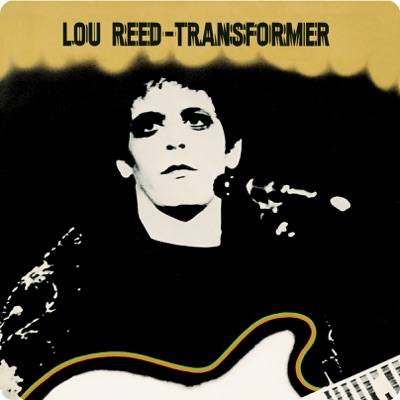
32. Transformer
A transformer is a device that transfers electrical energy from one circuit to another.

33. Trans Europe Express
The Trans Europ Express, or Trans-Europe Express (TEE), was an international first-class railway service in western and central Europe that was founded in 1957 and ceased in 1995. At the height of its operations, in 1974, the TEE network comprised 45 trains, connecting 130 different cities, from Spain in the west to Austria in the east, and from Denmark to Southern Italy.

34. The Sun Sessions
The Sun Sessions is a compilation album by American singer Elvis Presley, issued by RCA Records in 1976. The album contains Presley's earliest commercial recordings, made in Memphis, Tennessee, for Sun Records in 1954 and 1955. RCA issued the album in the UK in 1975 under the title The Sun Collection.

35. At Fillmore East
At Fillmore East is the first live album by American rock band the Allman Brothers Band, and their third release overall. Produced by Tom Dowd, the album was released on July 6, 1971 in the United States, by Capricorn Records. As the title indicates, the recording took place at the New York City music venue Fillmore East, which was run by concert promoter Bill Graham.

36. Goodbye Yellow Brick Road
Goodbye Yellow Brick Road is the seventh studio album by British singer, pianist and composer Elton John. A double album, it was released on 5 October 1973, by DJM Records. Recorded at the Château d'Hérouville in France, the album became a double LP once John and his band became inspired by the locale.

37. Bridge Over Troubled Water
Bridge over Troubled Water is the fifth and final studio album by American folk rock duo Simon & Garfunkel. The album was released on January 26, 1970 through Columbia Records.

38. Low
Low or LOW or lows, may refer to…

39. Talking Book
Talking Book is the fifteenth studio album by American singer, songwriter, and musician Stevie Wonder, released on October 27, 1972, by Tamla, a subsidiary of Motown Records. This album and Music of My Mind, released earlier the same year, are generally considered to mark the start of Wonder's "classic period".

40. Aja
Aja (pronounced , like Asia) is the sixth studio album by the American rock band Steely Dan, released on September 23, 1977, by ABC Records.

41. Hotel California
Hotel California is the fifth studio album by the American rock band the Eagles, released on December 8, 1976, by Asylum Records.
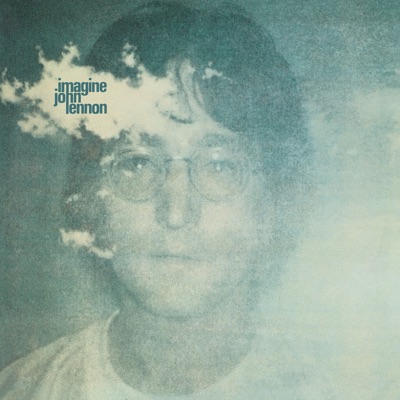
42. Imagine
Imagine may refer to…

43. Physical Graffiti
Physical Graffiti is the sixth studio album by the English rock band Led Zeppelin. Released as a double album on 24 February 1975 in the United States and on 28 February 1975 in the United Kingdom, it was the group's first album to be released under their new label, Swan Song Records.

44. Electric Warrior
Electric Warrior is the second studio album by English rock band T. Rex and their sixth since their 1968 debut as Tyrannosaurus Rex, released on 24 September 1971, by Fly Records in the United Kingdom and Reprise Records in the United States.

45. Paranoid
Paranoid is the second studio album by the British heavy metal band Black Sabbath. It was released on 18 September 1970 in the United Kingdom by Vertigo Records, and on 7 January 1971 in the United States by Warner Bros. Records.

46. Superfly
Superfly or Super fly may refer to…

47. The Stranger
The Stranger is the fifth studio album by American singer-songwriter Billy Joel, released on September 29, 1977, by Columbia Records. It was the first of Joel's albums to be produced by Phil Ramone, with whom he would work for five subsequent albums.

48. Sweet Baby James
Sweet Baby James is the second studio album by American singer-songwriter James Taylor, released on February 1, 1970, by Warner Bros. Records. It reached number three on the Billboard Top LPs & Tape chart, and includes two of Taylor's earliest successful singles: "Fire and Rain" and "Country Road", which reached number three and number thirty-seven on the Billboard Hot 100, respectively.

49. There's a Riot Goin' On
There's a Riot Goin' On is the fifth studio album by the American funk and soul band Sly and the Family Stone. It was released in November 1971 by Epic Records. The recording was dominated by band frontman-songwriter Sly Stone during a period of escalated drug use and intra-group tension.

50. Every Picture Tells a Story
Every Picture Tells a Story is the third studio album by British singer-songwriter Rod Stewart, released on 28 May 1971, by Mercury Records. It incorporates hard rock, folk, and blues styles. It went to number one on both the UK and US charts and finished third in the Jazz & Pop critics' poll for best album of 1971.

51. Pearl
A pearl is a hard object produced by mollusks.

52. Court and Spark
Court and Spark is the sixth studio album by Canadian singer-songwriter Joni Mitchell. Released by Asylum Records in January 1974, it infuses the folk rock style of her previous albums with jazz elements. It was an immediate commercial and critical success, and remains her most successful album.

53. This Year's Model
This Year's Model is the second studio album by the English singer-songwriter Elvis Costello, released on 17 March 1978 through Radar Records. After being backed by Clover for his debut album My Aim Is True (1977), Costello formed the Attractions—keyboardist Steve Nieve, bassist Bruce Thomas and drummer Pete Thomas (no relation)—as his permanent backing band.
54. The Wall
The Wall is the eleventh studio album by the English rock band Pink Floyd, released on 30 November 1979 by Harvest/EMI and Columbia/CBS Records. It is the last album to include all four post-Barrett-era band members. The album is a rock opera that follows the story of "Pink", a jaded rock star, as he constructs a psychological "wall" of social isolation.

55. Raw Power
Raw Power is the third studio album by American rock band the Stooges (credited as Iggy and the Stooges), released on February 7, 1973, by Columbia Records. The album departed from the "groove-ridden, feel-based songs" of the band's first two records in favor of a more anthemic hard rock approach inspired by new guitarist James Williamson, who co-wrote the album's eight songs with singer Iggy Pop.

56. Catch a Fire
Catch a Fire is the fifth studio album by the reggae band The Wailers (aka Bob Marley and the Wailers), released in April 1973. It was their first album released by Island Records. After finishing a UK tour with Johnny Nash, they had started laying down tracks for JAD Records when a disputed CBS contract with Danny Sims created tensions.

57. Layla and Other Assorted Love Songs
Layla and Other Assorted Love Songs is the only studio album by the English–American rock band Derek and the Dominos, released on 9 November 1970 as a double album by Polydor Records and Atco Records. It is best known for its title track, "Layla", which is often regarded as Eric Clapton's greatest musical achievement.

58. The B-52's
The B-52's is the debut studio album by American new wave band the B-52's, released on July 6, 1979. The album's kitschy lyrics and mood and hook-laden harmonies helped establish a fanbase for the band, who went on to release several chart-topping singles. The album cover was designed by Tony Wright (credited as "Sue Ab Surd").
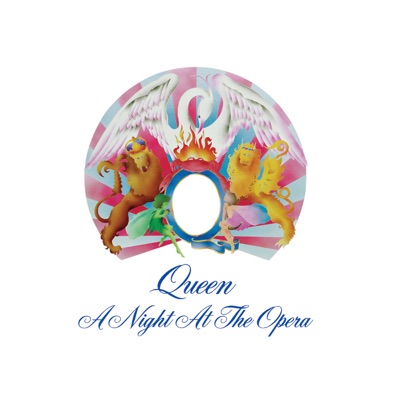
59. A Night at the Opera
A Night at the Opera may refer to: A Night at the Opera (film) (1935), a Marx Brothers comedy film A Night at the Opera (Queen album) (1975), by rock band Queen A Night at the Opera (Blind Guardian album) (2002), by power metal band Blind Guardian A Night at the Opera (chess), a famous chess game played during an opera, in which Paul Morphy defeated Duke Karl II of Brunswick and Count Isouard "A N…

60. Saturday Night Fever
Saturday Night Fever is the soundtrack double album (in 2 Long Play records) from the 1977 film Saturday Night Fever starring John Travolta. The soundtrack was released on November 15, 1977, by RSO Records.

61. For Your Pleasure
For Your Pleasure is the second studio album by the English rock band Roxy Music, released on 23 March 1973 by Island Records. It was their last to feature synthesiser player Brian Eno. The album expanded on the experimental nature of their self-titled debut, featuring a more elaborate production and experimentation.

62. Déjà Vu
Déjà vu, a French phrase meaning "already seen", refers to the experience of feeling sure that one has witnessed or experienced a new situation previously.

63. Entertainment!
Entertainment! is the debut album by English post-punk band Gang of Four. It was released in September 1979 by EMI Records internationally and Warner Bros.
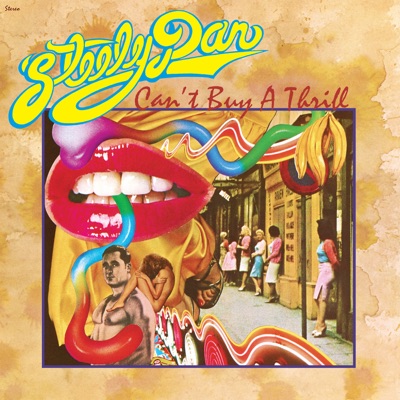
64. Can't Buy a Thrill
Can't Buy a Thrill is the debut studio album by American rock band Steely Dan, released in November 1972, by ABC Records. It was written by band members Walter Becker and Donald Fagen, and recorded in August 1972 at the Village Recorder in Los Angeles with producer Gary Katz.

65. Tea for the Tillerman
Tea for the Tillerman is the fourth studio album by British-born singer-songwriter Cat Stevens, released on 23 November 1970 by Island Records in the United Kingdom and A&M in North America. Recorded between May and July of 1970 at three studios in London (Morgan, Island, and Olympic), it features some of Stevens's most iconic and best-known songs.

66. Loaded
Loaded may refer to…

67. My Aim Is True
My Aim Is True is the debut studio album by the English singer-songwriter Elvis Costello, originally released in the United Kingdom on 22 July 1977 on Stiff Records. Produced by Stiff artist and musician Nick Lowe, the album was recorded from late 1976 to early 1977 over six four-hour studio sessions at Pathway Studios in Islington, London.

68. New York Dolls
New York Dolls is the debut studio album by the American rock band New York Dolls, released on July 27, 1973, by Mercury Records. An influential precursor to the 1970s punk rock movement, the eponymous album has been acclaimed as one of the best debut records in rock music and one of the greatest rock albums ever.

69. On the Beach
On the Beach may refer to…

70. Coat of Many Colors
Coat of Many Colors is the eighth solo studio album by American singer-songwriter Dolly Parton. It was released on October 4, 1971, by RCA Victor. The album was nominated for Album of the Year at the 1972 CMA Awards.

71. American Beauty
American Beauty is the fifth studio album (and sixth overall) by American rock band the Grateful Dead. Released in November 1970, by Warner Bros. Records, the album continued the folk rock and country music style of their previous album Workingman's Dead, released earlier in the year.

72. Red Headed Stranger
Red Headed Stranger is the eighteenth studio album by American outlaw country singer Willie Nelson, released in 1975. Following the success of his recordings with Atlantic Records, coupled with the negotiating skills of his manager, Neil Reshen, Nelson signed a contract with Columbia Records, the label that gave him total creative control over his works.

73. The Hissing of Summer Lawns
The Hissing of Summer Lawns is the seventh studio album by the Canadian singer-songwriter Joni Mitchell, released in November 1975 on Asylum Records. It continues the jazz-influenced sound of Mitchell's previous album, Court and Spark, with more unconventional and experimental material. It features synthesizers such as the Moog and ARP, sampling, backing from the jazz-rock groups the L.A.

74. The Modern Lovers
The Modern Lovers is the debut studio album by American rock band the Modern Lovers. It was released on Beserkley Records in 1976, though the original tracks had been recorded in 1971 and 1972. Six of the original tracks were produced by John Cale.

75. Live at Leeds
Live at Leeds is the first live album by the English rock band the Who, recorded at the University of Leeds Refectory on 14 February 1970 and released on 11 May 1970, by Decca and MCA in the United States and by Track and Polydor in the United Kingdom.

76. The Mothership Connection
Mothership Connection is the fourth album by American funk band Parliament, released on December 15, 1975, on Casablanca Records. This concept album is often rated among the best Parliament-Funkadelic releases, and was the first to feature horn players Maceo Parker and Fred Wesley, previously of James Brown's backing band the J.B.'s.
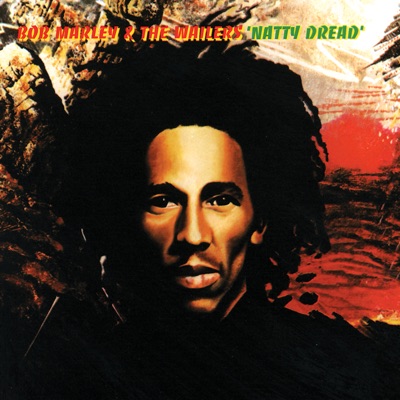
77. Natty Dread
Natty Dread is the seventh album by Bob Marley and the Wailers, released in 1974. Previously Marley had recorded with Peter Tosh and Bunny Wailer as the Wailers, and this was his first record without them. Natty Dread was most popularly received in the UK, where it peaked at No.
78. Cut
Cut or CUT may refer to…

79. Abraxas
Abraxas is the second studio album by the American rock band Santana. It was released on September 23, 1970, by Columbia Records and became the band's first album to top the Billboard 200 in the United States. In 2020, Rolling Stone magazine ranked the album number 334 on its list of the "500 Greatest Albums of All Time".
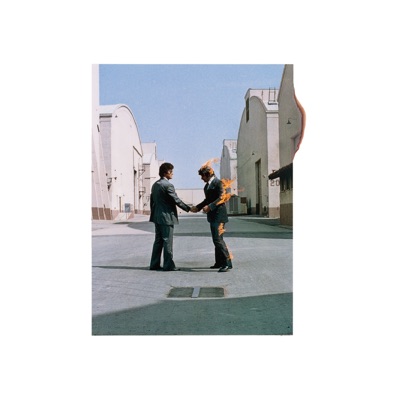
80. Wish You Were Here
Wish You Were Here may refer to…
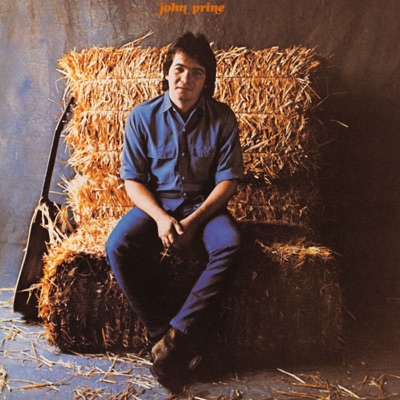
81. John Prine
John Prine is the debut album by American country/folk singer-songwriter John Prine, issued by Atlantic Records in 1971. In 2012, the album was ranked number 452 on Rolling Stone magazine's list of the 500 greatest albums of all time. It was later ranked number 149 in a revised version of the list published in 2020.

82. Maggot Brain
Maggot Brain is the third studio album by the American funk rock band Funkadelic, released by Westbound Records in July 1971. It was produced by bandleader George Clinton and recorded at United Sound Systems in Detroit during late 1970 and early 1971.

83. Eagles
Eagles is the debut studio album by American rock band the Eagles. The album was recorded at London's Olympic Studios with producer Glyn Johns and released on June 1, 1972, by Asylum Records. It was an immediate success for the then-new band, reaching No.

84. Sail Away
Sail Away may refer to…
85. Pink Flag
Pink Flag is the debut studio album by the British post-punk band Wire. It was released 25 November 1977 through Harvest Records. It was produced by Mike Thorne, recorded from September to October, 1977, in Advision Studios, London.